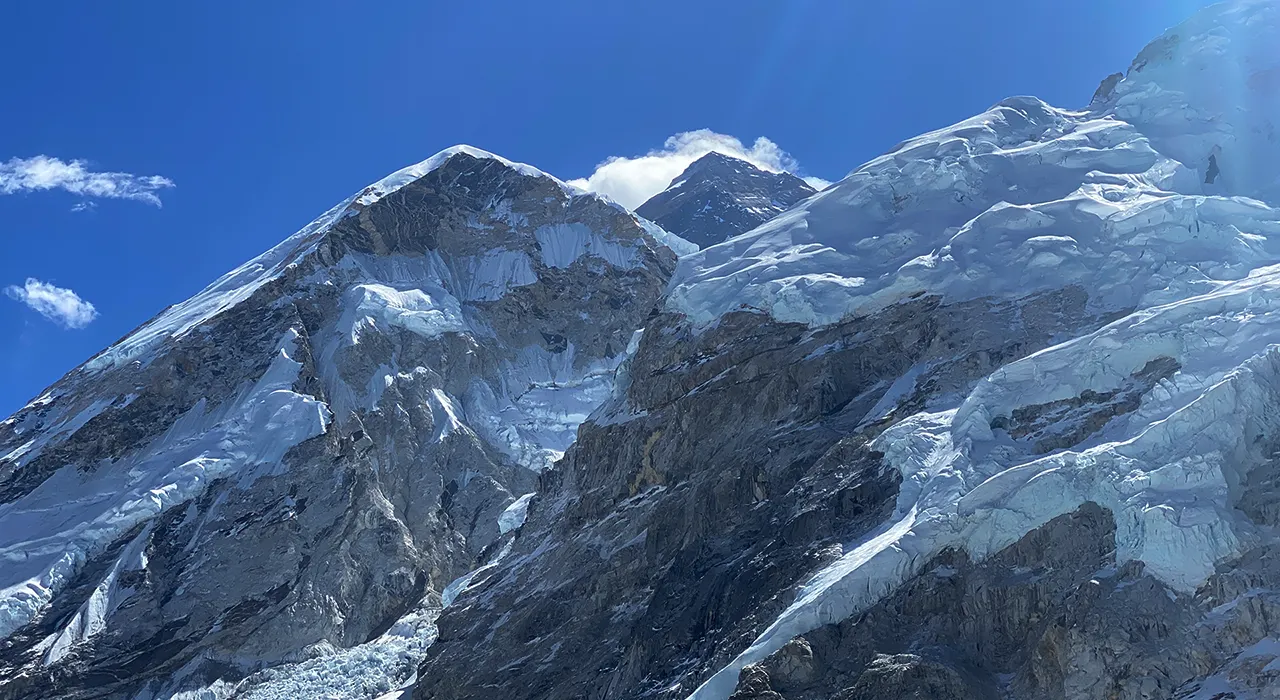
Altitude & Acclimatization on Everest: What Climbers Need to Know
24 September, 2025
By admin
Introduction
The altitude of climbing Everest is a very important issue to consider during the climb, as it influences the success and safety. High altitude puts the human body under stress, and it needs strategic corrections. Knowledge of altitude assists climbers in being physically and mentally ready for the harsh environment.
Acclimatization is a process of adapting the body to the low oxygen in high altitudes. It entails a progressive exposure, which makes physiological adjustments that lessen the dangers, such as altitude sickness. Climbers need to be properly acclimatized to climb Everest in an effective and safe way.
Climbers show symptoms of headaches, nausea, and life-threatening HAPE or HACE, without acclimatization. To maintain the health of climbers and maximize chances of summits, a balance between adventure and acclimatization is important.
This guide focuses on addressing the challenges with respect to the impacts of the Everest altitude. It promotes informed planning and patience, with exciting discovery, combining safety measures and discipline to make sure that it is safe to go where you want without sacrificing well-being.
Understanding Altitude on Everest
The elevation of Everest is in shifts, starting with the Base Camp at 5,364 m, then Camps 1 (~6,050–6,100 m), 2 (~6,400 m), 3 (~7,150–7,300 m), South Col (7,900-7950 m), and finally the summit at 8,848.86 m. The conditions and air in each camp grow increasingly thin and hostile to climbers.
The oxygen concentration decreases drastically as the altitude increases. At 8,848.86 m, the air pressure is ~33% of sea level, so the available oxygen per breath is ~one-third. This low oxygen concentration has effects on the performance of the body, making breathing and moving much harder for the climbers as they are exhausted.
The altitude of 8,000 m is hazardous because of the dramatically low oxygen levels and unfavorable conditions. The extreme altitude may result in serious cases of life-threatening complications, so the climbers are obliged to proceed swiftly with additional oxygen and acclimatization.
What Happens to the Body at High Altitude
At high elevations, there is a low oxygen supply, so the body finds it hard to supply oxygen to the tissues. This causes a challenge in physical activities, which require the climbers to modify the level of effort and take regular breaks to prevent excessive use.
The symptoms of low oxygen include fatigue, sleep disturbances, and periodic breathing. These may affect judgment and coordination, and may result in accidents when climbers disregard the onset of altitude sickness.
In order to adjust, the body produces more red blood cells to enhance oxygen delivery. Breathing deepens, and an increase in oxygen inhalation increases the rate of heartbeat to pump blood efficiently, aiding climbers in managing the thinner atmosphere.
Acclimatization Explained
The process by which the body adapts to rising altitude and low oxygen levels is called acclimatization. It is essential in avoiding altitude sickness and also in ensuring that the climbers can carry out the climb safely.
Climbers are advised to follow the sleep low and climb high principle, thus helping them acclimatize better and avoiding the risk of getting any altitude illnesses. The safe way of acclimatization would be to climb not more than 300-500 meters per day above 3,000 meters. However, climbers ascend faster between camps during rotations.
Altitude Sickness on Everest
Several symptoms, such as a headache, nausea, dizziness, and fatigue, occur at the altitude of Everest. These warning signs are crucial to be recognized at an early age, as the body is in distress to deal with the low oxygen levels.
HAPE is characterized by the accumulation of fluid in the lungs, so that the patients are unable to breathe properly. HACE is swelling of the brain, resulting in confusion, lack of coordination, and unconsciousness. Both are potentially life-threatening, demand an instant descent, and medical attention.
It is important to note aggravating symptoms such as shortness of breath, inability to walk, confusion, or drowsiness. Prompt response with quick descent, oxygen supply, and medical attention will save lives and limit irreparable harm at high altitude.
Acclimatization Strategies for Everest Climbers
Pre-acclimatizing during lower altitude treks such as the Everest Base Camp, Island Peak, or Lobuche East assists the climbers to adapt slowly before embarking on the higher altitudes. These expeditions stimulate physiological adjustments required in order to perform more efficiently and safely on Everest.
Rotations involve climbing up and down movements between the higher camps and the base camps, as well as the lower camps and the base camps. The method gradually acclimatizes climbers to elevation and provides a rest-break to prevent severe altitude illness in the last and peak push.
The rest days are necessary to enable the body to fully adapt after gaining altitude. These are days in which climbers engage in hydration to consolidate the benefits of acclimatization and minimize fatigue in order to continue with the upwards ascent.
Oxygen Supplements are used to help climbers by increasing the available oxygen level, decreasing physical exertion, and reducing the risks of altitude sickness. It is widely used in altitudes of more than 7,000 meters and on summit push.
Introduction The altitude of climbing Everest is a very important issue to consider during the climb, as it influences the success and safety. High altitude puts the human...
10 Days
Moderate
Practical Tips to Support Acclimatization
Hydration and nutrition are crucial to acclimatization because they assist the body’s mechanisms and energy storage. With the consumption of plenty of water and high-calorie meals, one remains strong and helps the body to adapt to the altitude.
The gradual, increasing rate of climb will enable the body to adapt to the decreased oxygen at a slow rate. When the altitude is elevated quickly, the risk of falling ill as a result of altitude becomes higher. Hence, slow pacing of the ascent improves safety and reserve energy to meet the prolonged needs of the Everest terrain.
It is important to listen to your body. You should never disregard the symptoms of altitude sickness. Transparent communication helps guides respond to the health-related issues on time, enhance decision-making, and allow for making necessary corrections to the climbing schedule.
Recovery at altitude is facilitated by quality sleep and being warm. Alcohol and sleeping pills must be avoided, as they disrupt breathing and sleep quality, exposing an individual to the risk of altitude sickness.
Preparing Before the Expedition
The pre-trek training aims at boosting cardiovascular fitness, muscular strength, and lung capacity by running, hiking, and breathing exercises. Physical training prepares the climbers for the harsh altitude and the rigorous climbing environment of Everest.
Climbers are exposed to elevation and terrain due to the practice climbs and high-altitude treks in Nepal, including Annapurna or Langtang routes. Such experiences develop stamina, acclimatization ability, and confidence that are required to take on the extreme environment of Everest safely.
Medical examination by the altitude medicine specialists ensures climbers are physically fit and informed about altitude risks. Physicians give tailored recommendations, prescribe preventive drugs, and assist in the detection of any underlying disorders that can influence performance at high altitudes.
Safety Tips for Climbers
Guides and expedition leaders offer essential experience, route, and safety surveillance in the climbs.
Base Camp and possibly higher camps provide medical aid such as oxygen and first aid.
The evacuation by helicopters can be carried out in the Base Camp and at lower levels in case of emergency. At higher Camps, evacuation is nearly impossible.
In case of extreme altitude sickness, climbers are forced to come down the higher camps as fast as possible.
Extensive policies that include high-altitude evacuation can be very useful in terms of covering expenses in case of an emergency.
Conclusion
Adherence to acclimatization is the key to success at the Summit on Everest. To minimize the risks and maximize their opportunities of successfully reaching the top safely and sustainably, climbers have to adhere to gradual ascent measures and pay attention to the limits of their bodies.
It is important to balance ambition, health, and safety. Although the summit is the goal, well-being and paying attention to warning signs will help the climbers not to experience dangerous altitude illnesses and make wise choices throughout their journey.
Climbing Everest with pacing, proper preparation, good guidance, support of guides, and medical teams offers an attainable and safer adventure. Slow progress and observation of elevation eventually bring an enjoyable summit experience.
 English
 Dutch
Dutch Japanese
 Hindi
Hindi Italian
 Spanish
 French
 German
 Chinese
 Korean
 Arabic
 Hebrew
 Russian
 Portuguese
 Danish
 Czech
Czech Polish
 Swedish